
Lower Back Pain Physiotherapy: How It Helps and What to Expect

Lower back pain can be debilitating. It often has a negative impact on your life, both socially and professionally, and it is not something you should ignore or hope will go away by itself. Most types of lower back pain are referred to physiotherapy as one of the first-line treatments, and a well-designed lower back pain physiotherapy program can help reduce pain, regain range of motion and prevent recurrence.
Physiotherapy approaches back pain differently to simply resting or relying on pain medication. It combines hands-on treatment with education and exercise, giving you the tools to manage your own recovery and reduce the chance of the problem returning.
Why Lower Back Pain Needs Early Attention
Back pain changes the way you do everyday things. Bending to tie your shoes, lifting shopping bags or getting in and out of the car can suddenly become difficult. When low back pain lingers, it can affect your work, your sleep and your social life. Left untreated, a back injury can negatively affect your quality of life for years to come.
Seeking help early gives you the best chance of a quick recovery. A physiotherapist can identify what is contributing to your pain and put a plan in place before the problem becomes chronic.
Even if your pain feels manageable, it is worth having it assessed. A physiotherapist can spot movement patterns or muscle weaknesses that may be contributing to the problem and address them before they cause more trouble down the track.
What Is Lower Back Pain Physiotherapy?
Lower back pain physiotherapy uses a modern, evidence-based approach that combines hands-on treatment, education and exercise. The aim is to help you move and feel better as quickly as possible while also addressing the factors that led to the pain in the first place.
Depending on your condition, treatment may include spinal mobilisation and manipulation, soft tissue massage, dry needling and acupuncture, along with exercises to support your recovery. Back pain treatment involves releasing tension in muscles, correcting improper posture, increasing flexibility and strengthening the area.
Hands-on treatment can provide relief during a session, but it is the education and exercise components that help you stay well over the long term. This is why physiotherapists place so much emphasis on teaching you what is happening with your back and how to move safely as you recover.

What Can a Physiotherapist Do for Lower Back Pain?
A physiotherapist has several tools to draw on when treating lower back pain. The right combination depends on your specific condition, your symptoms and your goals.
Hands-On Treatment +
Hands-on treatment is often the first step in a physiotherapy session. Spinal mobilisation and manipulation help stiff joints move more freely, while soft tissue massage releases tension in the muscles around the lower back. Dry needling and acupuncture may also be used as part of a treatment plan. These techniques are designed to reduce pain and create the right conditions for movement and exercise.
Education and Reassurance +
Understanding what is happening with your back is a key part of recovery. The initial treatment should include emphasis on the benign nature of the problem, advice to remain as active as possible and reassurance that movement is safe. This matters because fear of pain can keep people immobilised for longer than necessary. Your physiotherapist will explain what is causing your discomfort and how you can manage it day to day.
Exercise and Posture Correction +
Exercise is central to lower back pain physiotherapy. Physiotherapy alleviates low back pain through exercises and posture correction, promoting strength and overall spinal health. Your physiotherapist will develop a program that fits your goals, whether that means returning to work, playing sport again or simply getting through the day without pain.
A Tailored Rehabilitation Program +
After your assessment, your physiotherapist will put together a rehabilitation program tailored to your needs. This program is focused on restoring your optimal body and spine function and may include a combination of stretching, strengthening and postural exercises. As you improve, the program is adjusted to keep challenging your body and build on your progress.
Common Exercises Used in Lower Back Pain Physiotherapy
Most lower back pain programs include a mix of mobility, stretching and strengthening exercises. Some common exercises a physiotherapist may show you include:
- Knee rolls: lying on your back with knees bent, gently rolling your knees from side to side to improve mobility in the lower back and pelvis.
- Knee hugs: lying on your back and bringing one or both knees towards your chest to gently stretch the lower back.
- Back extensions: a movement that helps strengthen the muscles that support the spine and can be useful for certain types of back pain.
- Bottom to heels stretch: a kneeling stretch that lengthens the muscles of the lower back.
- Squats: stand upright with your feet shoulder-width apart and lower your hips to strengthen the legs and glutes, which take some load off the back.
These are examples of the types of exercises that may be included in a program. The right exercise for you depends on the cause of your pain, so it is always best to have a physiotherapist guide your rehabilitation.
Performing these exercises correctly matters more than doing them quickly. Your physiotherapist will show you the right technique and let you know how many repetitions to aim for and how often to do them. As your strength and mobility improve, the program can progress to more challenging movements.
What to Expect From Your First Appointment
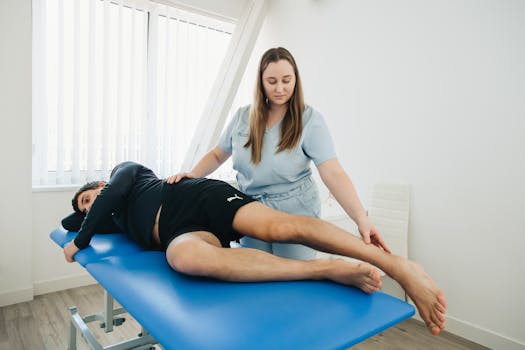
Your first visit usually begins with an assessment. Your physiotherapist will ask about your pain, your daily activities and any injuries that may be relevant. They will then examine how you move and work out which structures are contributing to your symptoms.
You may also be asked about your work, your sleep and how you spend your days. This information helps the physiotherapist understand the loads your back is under and identify activities that may be contributing to your pain. From there, treatment is tailored to your specific situation.
Many physiotherapists use a targeted hands-on approach followed by a rehabilitation program focused on restoring your optimal body and spine function. You should leave your first session with a clear plan, including exercises to do at home and advice on staying active.
Physiotherapy for Chronic Lower Back Pain
Chronic low back pain is one of the common conditions physiotherapists treat. Unlike a short-term flare-up, chronic pain can persist for months and often requires a more structured approach. An evidence-based physiotherapy program can help reduce pain, regain range of motion and prevent recurrence, even when pain has been present for a long time.
For people living with chronic pain, the focus is on building confidence in movement, gradually increasing strength and getting back to the activities that matter. Consistency is an important part of this, and regular sessions with a physiotherapist can make a real difference over time.

Lower Back Pain Physiotherapy in Sydney
If you are in Sydney and looking for help with lower back pain, Hopevana Physiotherapy offers physiotherapy at three locations in Homebush and Pendle Hill. The team provides general physiotherapy for musculoskeletal conditions, chronic pain management and post-surgical rehabilitation, along with complementary treatments such as remedial massage, acupuncture and cupping therapy that can support your recovery.
Funding pathways matter when you need ongoing care. At Hopevana, physiotherapy may be accessible through Medicare bulk billing for patients with a chronic disease management plan, NDIS home visits, WorkCover and CTP direct billing, DVA-approved care for veterans or private health insurance via HICAPS. This means you can focus on your recovery rather than worrying about the logistics of payment.
If you are dealing with a recent injury or a long-standing back problem, a physiotherapist can help you understand your condition and give you a clear path forward. Since a back injury left untreated can affect your quality of life for years, seeking help early is always worthwhile.
Frequently Asked Questions
Here are answers to some common questions about lower back pain and physiotherapy.
What can a physiotherapist do for lower back pain? +
A physiotherapist can help reduce pain, regain range of motion and prevent recurrence. Treatment typically includes hands-on care such as spinal mobilisation, soft tissue massage or dry needling, along with education about your condition and a tailored exercise program. The approach is evidence-based and aims to help you move and feel better as quickly as possible.
How does physiotherapy relieve lower back pain? +
Physiotherapy relieves lower back pain through several pathways. Hands-on treatment releases tension in muscles and improves joint movement, while posture correction and strengthening exercises promote overall spinal health. Education also plays an important role, with advice to remain as active as possible and reassurance about the benign nature of most back pain.
What exercises help with lower back pain? +
Common exercises used in lower back pain physiotherapy include knee rolls, knee hugs, back extensions, the bottom to heels stretch and squats. These movements improve mobility, stretch tight muscles and strengthen the muscles that support the spine. The right exercise program depends on the cause of your pain, so it is best to have a physiotherapist guide you.
Should I rest or stay active with lower back pain? +
Advice to remain as active as possible is a key part of initial treatment for lower back pain, and bed rest should be avoided. Staying active helps keep muscles and joints moving and supports recovery. Your physiotherapist can reassure you about what is safe and provide guidance on which activities to continue while your back heals.
Recovering well starts with the right care and a clear plan. Book online or call our team to get started.