
Lower Back Pain Treatment in Homebush: What Recovery Looks Like
- Assessment-led, not one-size-fits-all
- Bulk billing & direct billing
- Homebush & Pendle Hill clinics
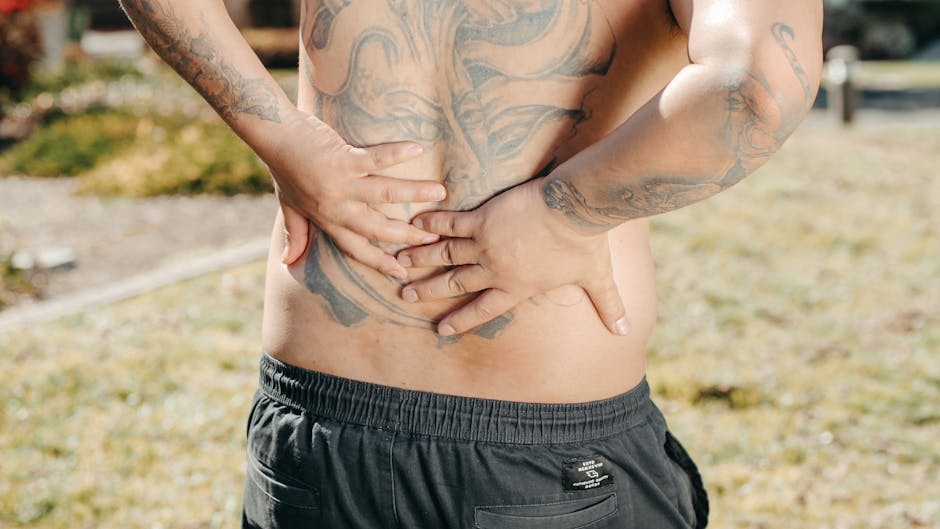
Most people booking lower back treatment want the same two answers: what is actually wrong, and how long until it is better. This page covers both, and what a course of treatment at our Homebush physio clinic actually involves week to week.
If you are still deciding whether to book at all, our back pain physio Homebush page covers what we treat and the funding options. This one assumes you are ready to start.
What Is Actually Hurting
“Lower back pain” describes a location, not a diagnosis. Several structures can produce very similar symptoms, which is why an assessment matters more than a label.
| Source | How it typically behaves |
|---|---|
| Muscle & soft tissue | Aching, tight, worse after sustained positions, eases with gentle movement |
| Joints of the spine | Sharper with specific movements — bending back, twisting — often stiff in the morning |
| Disc-related | Worse with sitting, bending forward and coughing; may refer into the buttock or leg |
| Nerve irritation | Travels below the knee, may burn or tingle — see sciatica |
| Load-related | Fine at rest, predictable onset after a certain duration or weight |
In practice these overlap. A disc problem often brings protective muscle guarding with it, and treating only the tight muscle explains why relief keeps being temporary.
The Four Stages of Treatment
Recovery is not one long block of the same thing. Treatment changes as your back changes.
Settle it down
Reducing pain and protective guarding so you can move again. Hands-on treatment, positions and modifications that let you sleep and work. Usually the first week or two.
Restore movement
Getting range back through the spine and hips. Stiffness above and below the painful area is often part of why it got overloaded in the first place.
Build capacity
Progressive strengthening so the area tolerates what your life asks of it. This is the stage most people skip, and the reason back pain so often returns.
Keep it there
A short maintenance routine and a clear plan for what to do if it flares. You should finish knowing how to manage your own back.
How Long It Takes
Honest answer: it varies, and anyone promising a fixed number without assessing you is guessing. Some broad patterns hold, though.
- A recent, uncomplicated episode — noticeable improvement within a couple of weeks is common
- Pain that has been present for months — expect a longer arc, because capacity has usually dropped alongside the pain
- Nerve involvement — often slower, and the pattern of change matters more than the pain score
Your physiotherapist will give you a realistic range after the first assessment and revise it as you respond. What consistently shortens recovery is doing the between-session work — that matters more than how many appointments you book.
How We Work at Hopevana
A few things shape how treatment runs at our Homebush physio clinic.
- Assessment before treatment. We look at how you move and load before deciding what to do, rather than applying a standard protocol to every lower back.
- NeuroKinetic Therapy where it fits. NKT examines which muscles are compensating for others. It is particularly useful when pain has not responded to conventional treatment, because it targets the pattern rather than the sore spot.
- Complementary therapies in-house. Remedial massage, dry needling, acupuncture, cupping, fascia therapy (IASTM) and shockwave therapy are all available here, so your plan can adapt without sending you elsewhere.
- Funding handled in-house. Medicare CDM bulk billing, WorkCover and CTP direct billing, DVA, NDIS and HICAPS are all processed at the clinic.
- Three locations. Homebush, Pendle Hill and Joyce Street in Pendle Hill, so you can attend wherever is practical that week.
Get these checked urgently rather than booking a physio. Loss of bladder or bowel control, numbness around the groin or inner thighs, spreading weakness in a leg, or back pain alongside fever or unexplained weight loss. See your GP or an emergency department.
Where to Next
Ready to book?
Funding options and what we treat locally. Back pain physio Homebush
Still deciding?
Six signs self-management has run its course. When stretching isn’t enough
All Homebush services
Everything offered at this clinic. Physiotherapy Homebush
Frequently Asked Questions
How do I choose a physio in Homebush?
Look for AHPRA registration first — that is non-negotiable and easy to verify. Beyond that, ask three things: does the first appointment include a proper movement assessment or go straight to treatment; will you be given exercises to do between visits; and which funding pathways the clinic bills directly, since that determines what you actually pay. A clinic that answers those clearly on the phone will usually be clear with you in the room too.
How many sessions will lower back pain take?
It depends on how long you have had it and what you need to return to. A recent, uncomplicated episode often improves noticeably within a couple of weeks; pain present for months usually takes longer because strength and capacity have dropped too. You will get a realistic range after the first assessment, revised as you respond, rather than a fixed block sold upfront.
Should I rest or keep moving?
For most lower back pain, staying active beats resting completely, and prolonged bed rest tends to slow recovery. That does not mean pushing through everything — usually it means modifying load or range rather than stopping. Which movements to keep and which to park temporarily is one of the first things worth sorting out at an assessment.
Will I need a scan?
Usually not. For most lower back pain, imaging does not change what treatment is recommended, and scans frequently show changes that are equally common in people with no pain at all. Your physiotherapist or GP will tell you if your presentation is one where a scan would genuinely alter the plan.
Is treatment covered by Medicare?
It can be. With a Chronic Disease Management plan prepared by your GP, sessions are bulk billed with no out-of-pocket cost. WorkCover and CTP are billed direct to the insurer for accepted claims, DVA is covered for White, Gold and Orange card holders, and private health extras are claimed on the spot through HICAPS.
Start Treatment in Homebush
An assessment tells you what is driving your lower back pain and roughly how long it should take. Bulk billing, WorkCover, CTP, DVA, NDIS and private health all handled here.
This page is general information, not individual medical advice. Recovery timeframes vary between people — speak with your physiotherapist or GP about your situation.