Can Remedial Massage Help Injury Recovery?
Remedial Massage · Injury Recovery
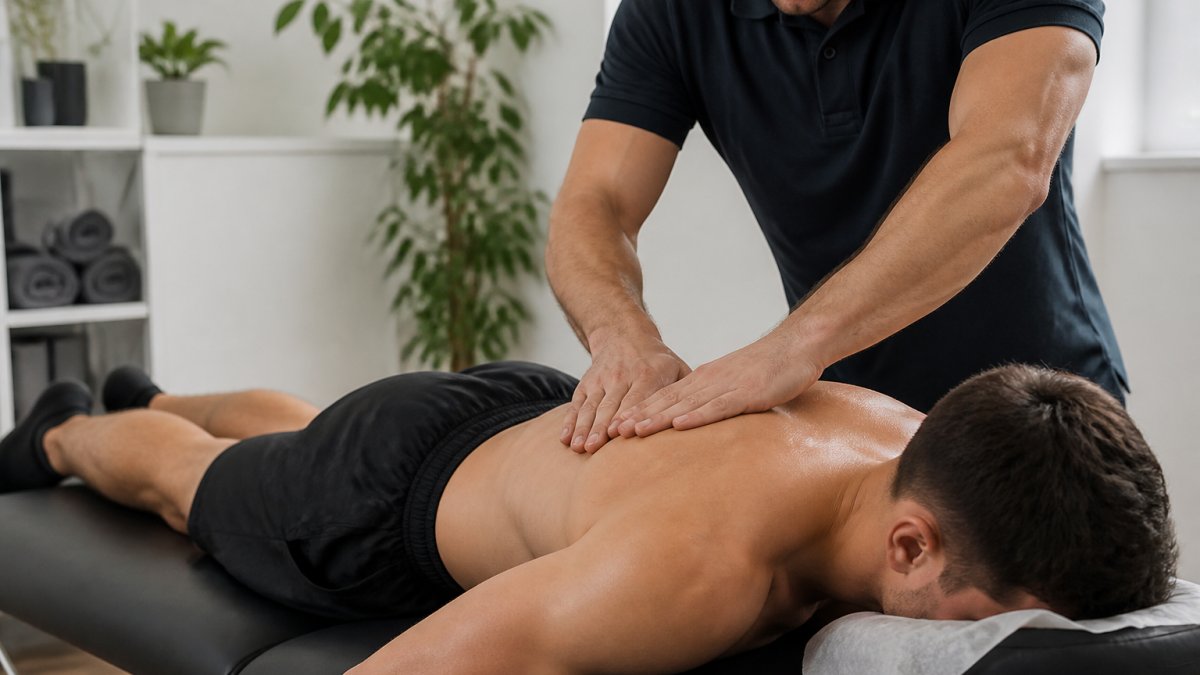
Remedial massage helps most injuries recover — but it is a supporting act, not the main event. Used alongside physiotherapy and loaded exercise it eases pain, restores movement and gets you back to training sooner. Used on its own, or too early on an angry injury, it can set you back.
What remedial massage actually does
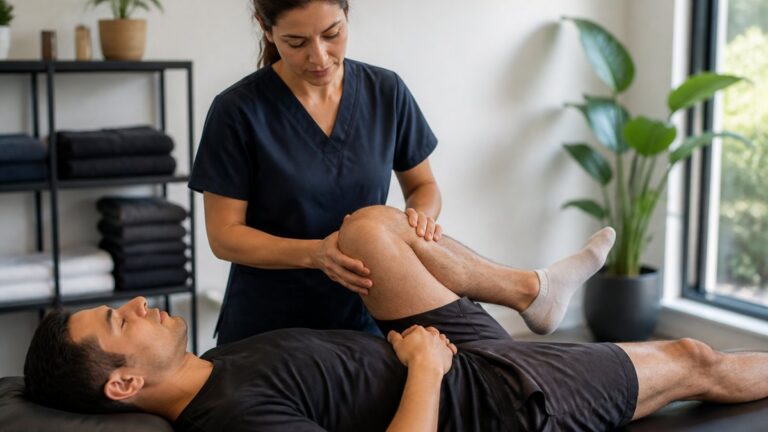
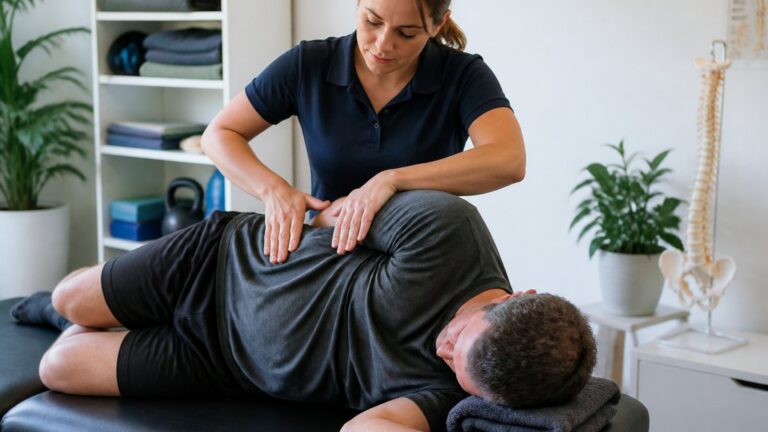
Remedial massage is targeted soft tissue work aimed at a specific problem, rather than general relaxation. A therapist assesses how you move, finds the tissue that is guarding or restricted, and works on it directly.
Reduces pain sensitivity
Sustained pressure calms an over-protective nervous system, which is often why movement feels easier immediately afterwards.
Restores range of movement
Releasing guarded muscle lets a stiff joint move further, so your rehab exercises can actually be done properly.
Eases compensation patterns
After an injury other muscles overwork to protect it. Massage takes the load off those areas while the injured tissue recovers.
What the evidence supports — and what it does not
The research is reasonably consistent on two points: massage gives short-term relief of pain and stiffness, and it has a very low risk of harm when applied appropriately. It is less convincing on structural change. Massage does not break down scar tissue, lengthen muscle permanently, or flush lactic acid out of the body.
That matters for how you use it. Relief from a session typically lasts days, not weeks. The lasting change comes from the exercise you do inside that window, which is why we treat massage as something that makes rehab possible rather than something that replaces it.
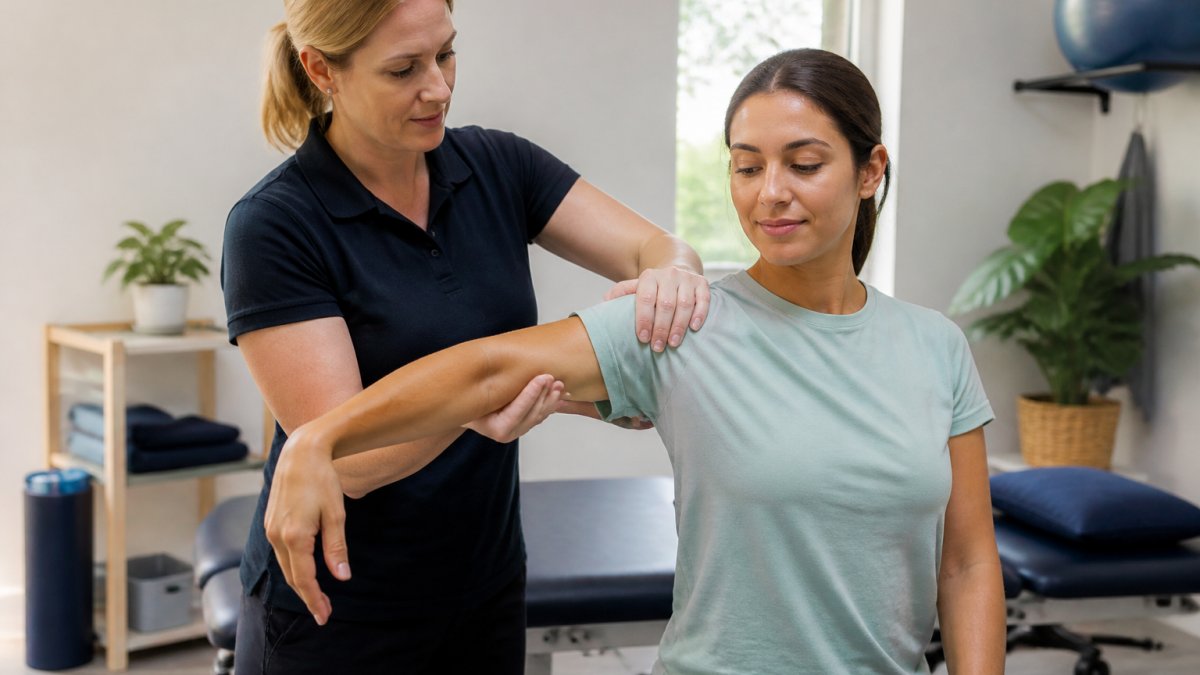
How it pairs with physiotherapy
What to expect, session by session
| Stage | What happens | How you may feel after |
|---|---|---|
| First session | Assessment, then treatment of the most guarded area | Looser, sometimes tender for 24–48 hours |
| Sessions 2–3 | Deeper work on the driver, plus home exercises | Less post-session soreness as tissue tolerance improves |
| Ongoing | Less hands-on time, more loading and strength | Relief lasting progressively longer between visits |
Soreness afterwards: normal or a warning sign?
Mild tenderness for a day or two after deeper work is common and settles on its own. What is not expected is sharp pain, pain that is worse than before you came in, bruising, numbness, pins and needles, or swelling that increases over the following day. Those mean the pressure was too much for the tissue, or that something other than muscle is involved — tell your therapist rather than pushing through.
When to hold off on massage
Timing matters more than technique. Direct soft tissue work is usually not appropriate in the first days after an acute injury while tissue is still actively inflamed, over a suspected fracture, over an open wound or active skin infection, or into an area that is hot, red and swollen. If you are on blood thinners, have a known clotting condition, or are being treated for a condition that affects your skin or circulation, say so before the session so the approach can be adjusted.
Get assessed first, not massaged first. Severe pain after a fall or collision, an inability to put weight through the limb, obvious deformity, numbness or weakness, or calf pain and swelling after travel or immobilisation all need medical assessment before any hands-on treatment.
Booking a session
Remedial massage is available at our Homebush clinic and at Pendle Hill, and we also offer mobile remedial massage across Sydney. Most private health extras cover it and we claim on the spot through HICAPS — see how HICAPS rebates work. If your problem stems from a work injury or motor accident, physiotherapy under WorkCover or CTP is billed directly to the insurer; massage is generally only funded under those schemes when it is specifically prescribed as part of your treatment plan.
Frequently Asked Questions
How soon after an injury can I have a remedial massage?
For most soft tissue injuries, direct work on the injured area waits until the acute inflammatory stage settles, usually around three to five days. Gentle work on surrounding muscles that are compensating can often start sooner. An assessment will tell you which applies to you.
Is remedial massage enough on its own?
Rarely. Massage reliably reduces pain and stiffness in the short term, but durable recovery comes from graded loading and strength work. The best results come from using massage to make that exercise achievable, not as a substitute for it.
How many sessions will I need?
That depends on the injury, how long it has been there and what you need to get back to. Most people notice a change in how they move within the first few sessions, and the hands-on component reduces as your tolerance improves.
Should remedial massage hurt?
It can be uncomfortable, particularly on guarded tissue, but it should stay within a tolerable range and you should be able to breathe and relax through it. Sharp pain or flinching means the pressure is too high and should be eased off.
Can I claim remedial massage on private health?
Most extras policies include remedial massage, though annual limits and per-visit rebates vary by fund and level of cover. We claim on the spot through HICAPS, so you pay only the gap. Check your remaining limit with your fund before booking.
Does massage help with muscle soreness after training?
It can ease the discomfort of delayed-onset muscle soreness and make movement more comfortable in the following days. It does not clear lactic acid, which leaves the body within an hour or two of finishing exercise regardless of what you do.
Book remedial massage at Homebush or Pendle Hill
Mobile appointments available across Sydney.