
How to Manage Chronic Pain Long Term: A 2026 Guide
Table of Contents
- What Chronic Pain Is and Why It Persists
- Chronic Pain Management Exercises You Can Start Today
- Physiotherapy for Chronic Pain: What to Expect
- Sleep Hygiene and the Pain Cycle
- Nutrition and Anti-Inflammatory Eating for Pain Relief
- Psychological Support and Pain Education
- Building Your Long-Term Pain Management Plan
- Frequently Asked Questions
Last Updated: October 6, 2026
What Chronic Pain Is and Why It Persists
Chronic pain is pain lasting more than three months, beyond normal healing time (Chronic pain – about, causes and management).
Chronic pain persists because the nervous system becomes overprotective. Nerves keep sending danger signals after tissue has healed, a process called central sensitisation. Pain stops being a simple alarm and becomes a learned pattern.
Nociceptive pain comes from tissue stress, such as an arthritic knee or strained muscle. Neuropathic pain comes from damaged or irritated nerves and often feels burning, electric or numb.
That mix is why outcomes improve when physical, psychological and lifestyle factors are addressed together.
Nociceptive vs Neuropathic Pain
| Feature | Nociceptive pain | Neuropathic pain |
|---|---|---|
| Source | Tissue stress or injury | Nerve irritation or damage |
| Typical feel | Ache, throb, stiffness | Burning, shooting, numbness |
| Common example | Osteoarthritis, muscle strain | Sciatica, post-surgical nerve pain |
| Often responds to | Movement, manual therapy, load management | Graded nerve work, medication review, desensitisation |
Chronic Pain Management Exercises You Can Start Today
Exercise is the most reliable tool for reducing pain intensity and rebuilding capacity, and works best when you start smaller than feels impressive.
A common mistake is doing too much on a good day, then paying for it for three days. That boom-and-bust cycle keeps flare-ups alive. Aim for consistency you can repeat tomorrow.
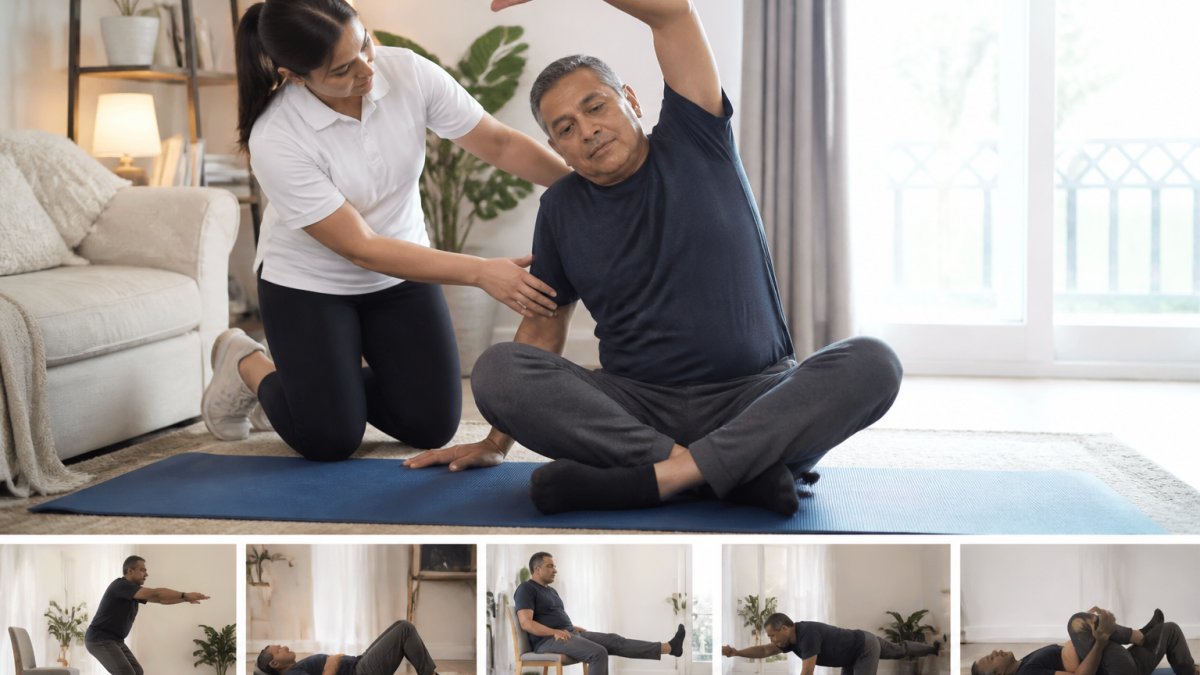
Five Gentle Exercises for Beginners
Try these daily or every second day. Stop any exercise that sharply increases pain, and check with a qualified professional first if you have a new or unstable condition.
- Diaphragmatic breathing (2 minutes). Lie on your back, hands on your ribs, and breathe slowly into your belly. This calms muscle tension and lowers the stress response that amplifies pain.
- Pelvic tilts (10 slow reps). Lying down, gently flatten your lower back into the floor, hold two seconds, release. Excellent for stiff lower backs.
- Seated knee extensions (10 per leg). Sit tall, straighten one knee, hold three seconds, lower slowly. Builds quadriceps strength without loading the spine.
- Wall slides (8 reps). Stand with your back to a wall, slide your arms up and down within a comfortable range. Restores shoulder range of motion.
- Supported marching (1 minute). Holding a bench or kitchen counter, lift each knee slowly in place. Trains balance and hip mobility with minimal joint load.
Physiotherapy for Chronic Pain: What to Expect
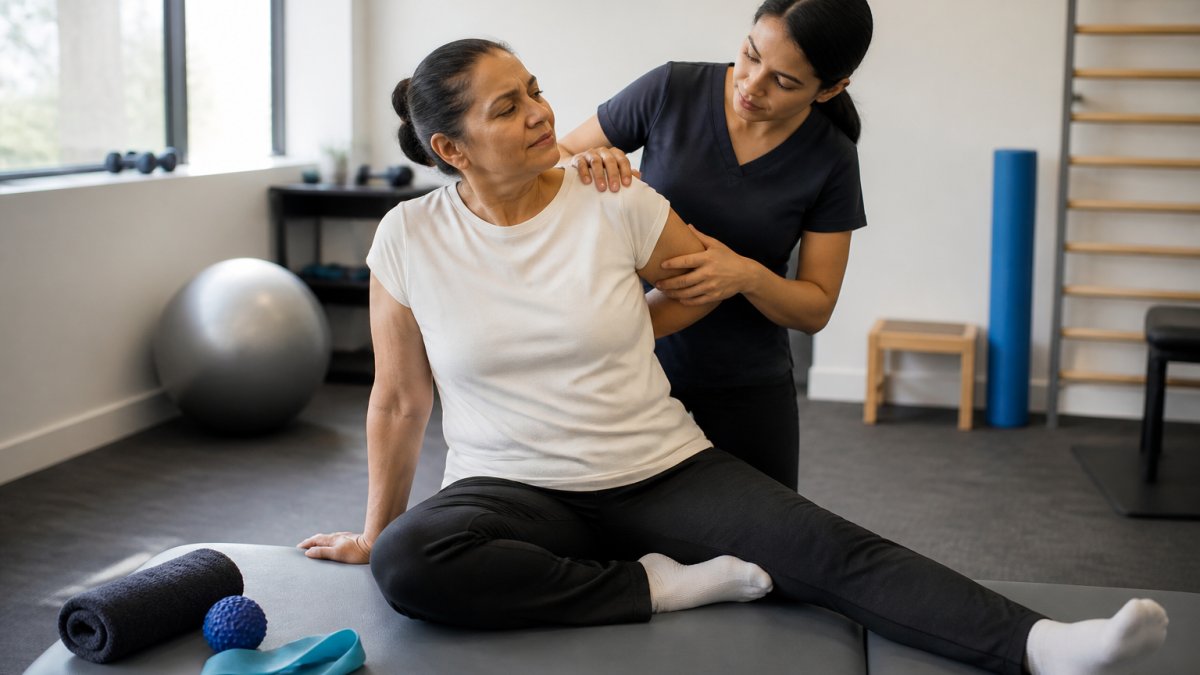
Physiotherapy for chronic pain is not a massage and a handout. A good session assesses how you move, what flares you up, and your goals, then builds a home plan.
Your first appointment covers pain history, a physical assessment, and an explanation of what is driving your symptoms. Treatment may combine hands-on techniques, therapeutic exercise, and pain education.
This is where the biopsychosocial model matters. If you are searching for a Homebush physio who works this way, look for one who explains the “why” behind each exercise and adjusts as you improve.
Sleep Hygiene and the Pain Cycle
Poor sleep and chronic pain feed each other in a loop that can feel impossible to break: pain makes it harder to fall asleep, and poor sleep lowers your pain threshold the next day.
During deep sleep, tissue repair and immune function peak, and your brain processes the emotional component of pain. If pain keeps waking you, you get less deep sleep, which means less repair and a more reactive nervous system.
Sleep is one of the most modifiable factors in chronic pain. Small, consistent changes can shift the cycle within a few weeks.
A Beginner’s Sleep Protocol for Pain
Start with these steps, adding one at a time rather than overhauling everything at once.
- Anchor your wake time. Choose a fixed wake time and stick to it every day, even after a rough night. This stabilises your body clock more effectively than trying to force an earlier bedtime.
- Build a wind-down buffer. For the last hour before bed, dim the lights, put screens away, and do something quiet and repetitive. A warm shower helps because the subsequent drop in core body temperature signals sleep onset.
- Use the 20-minute rule. If you are awake for more than twenty minutes, get up and sit somewhere quiet with a book or gentle breathing. Return to bed only when sleepy. This prevents your brain from associating the bed with frustration.
- Position for comfort. If hip or shoulder pain wakes you, try a pillow between your knees (side sleeping) or under your knees (back sleeping). A physiotherapist can suggest specific positions for your pain pattern.
- Track your sleep and pain for two weeks. A simple note of bedtime, wake time, night wakings, and morning pain score reveals patterns. Many people find their pain is worse after less than six hours of sleep, which reinforces the value of the routine.
If sleep problems persist despite good hygiene, speak with your GP. Conditions like sleep apnoea are more common in people with chronic pain and can be treated. A physiotherapist experienced in persistent pain can help you adapt sleep positions and manage morning stiffness. If you are looking for a Homebush physio who understands the sleep-pain connection, ask whether they include sleep screening in their assessment.
Nutrition and Anti-Inflammatory Eating for Pain Relief
No diet cures chronic pain, but what you eat influences inflammation, body weight, energy levels, and even how your nervous system responds to pain signals. It is one of the most under-discussed areas in long-term pain management, yet something you can start changing today.
How Food Affects Pain
Chronic pain often involves low-grade systemic inflammation. Certain foods promote it, others dampen it. The gut also plays a role: a healthy microbiome supports immune regulation, and poor diet disrupts that balance. Extra weight increases joint load and inflammatory signalling. So nutrition works on pain through three pathways: inflammation, mechanical load, and energy for movement. (Source: Australian Institute of Health and Welfare (AIHW) report)
The Mediterranean Pattern: A Beginner’s Guide
The Mediterranean-style diet is the most consistently supported eating pattern for reducing inflammation. It is not about restriction, but about adding more of the good stuff.
What to eat more of:
- Vegetables and fruit: aim for at least five servings a day. Frozen and canned count.
- Legumes: lentils, chickpeas, beans. Add a handful to soups, salads, or casseroles.
- Olive oil: use as your main added fat.
- Nuts and seeds: a small handful daily.
- Oily fish: salmon, sardines, mackerel, or tinned tuna two to three times a week.
- Whole grains: oats, brown rice, wholemeal bread.
What to eat less of:
- Heavily processed foods, especially those high in refined sugar and refined oils.
- Sugary drinks.
- Excessive alcohol.
Practical Changes for Newbies
You do not need to overhaul your diet overnight. Pick one change and stick with it for two weeks before adding another.
- Add one extra serving of vegetables to two meals a day. For example, a handful of spinach in your eggs, or a side salad with dinner.
- Swap your afternoon biscuit for a small handful of almonds or a piece of fruit.
- Choose oily fish twice a week. Tinned sardines on toast is a cheap, quick option.
- Replace one sugary drink a day with water or sparkling water.
- Cook with olive oil instead of butter or vegetable oil.
If you are carrying extra weight, even a modest loss of 5-10% of body weight can reduce pain in knees, hips, and back. Every kilogram lost takes about four kilograms of load off your knees when walking. Talk to your GP or an accredited dietitian before big changes, particularly if you manage diabetes, kidney disease, or other conditions.
Supplements: What to Know
Many supplements are marketed for pain, but evidence is mixed. Some people find fish oil or turmeric helpful, but always check with your GP or pharmacist because supplements can interact with medications. A personalised approach beats a generic recommendation.
If you want to combine nutrition with a movement plan, a physiotherapist can help you set realistic goals. If you are searching for a Homebush physio who takes a holistic approach, look for one who asks about your diet and sleep as part of your assessment.
Psychological Support and Pain Education
How you think about pain changes how pain behaves. Pain education teaches you that persistent pain reflects an overprotective nervous system rather than ongoing damage, and that understanding alone can lower pain intensity for many people.
Psychological interventions such as cognitive behavioural therapy and mindfulness-based stress reduction help you build pain coping mechanisms: pacing, reframing unhelpful thoughts, and reducing the fear of movement that keeps people stuck.
If low mood, anxiety or trauma is part of your picture, say so. A multidisciplinary approach that includes your GP, physiotherapist and a psychologist tends to produce better long-term outcomes than any one of them working alone.
Building Your Long-Term Pain Management Plan
A pain management plan is a written, flexible routine combining movement, sleep, nutrition, psychological support and medication review, adjusted as your capacity changes. It should fit your life, not the other way around.
Use this checklist to build yours:
- Set two or three specific goals (for example, walking to the shops without stopping)
- Schedule movement most days, starting below your comfortable limit
- Set a consistent sleep and wake time
- Plan one nutrition change to start this week
- Book a review of your medications and their side effects with your GP
- Adjust your workspace so your screen is at eye level and your feet are supported
- Line up psychological support if mood or fear of movement is holding you back
- Review the plan every four to six weeks and progress gradually
Medication management deserves its own line. Some medicines help, but side effects and interactions are common, and long-term use needs regular review rather than automatic repeats.
Frequently Asked Questions
What are the most effective non-pharmacological ways to manage chronic pain?
Exercise, physiotherapy, psychological support, sleep improvement and nutrition changes all help. A multidisciplinary approach works best. Physiotherapy for chronic pain focuses on graded movement and manual therapy. Cognitive behavioral therapy and mindfulness-based stress reduction address the mental side. Sleep hygiene and anti-inflammatory eating support recovery. Combining these strategies improves long-term outcomes more than any single treatment.
How does physiotherapy help in the long-term management of chronic pain?
Physiotherapy for chronic pain builds strength, restores range of motion and reduces muscle tension. A physiotherapist teaches you chronic pain management exercises you can do at home. They also use manual therapy and pain education to change how your nervous system processes pain. Over time this improves functional capacity and reduces pain flare-ups. For lasting relief, consistency matters more than intensity.
Can lifestyle changes significantly reduce chronic pain symptoms?
Yes. Better sleep, regular physical activity and an anti-inflammatory diet can lower pain intensity. Sleep hygiene breaks the cycle where poor sleep increases pain sensitivity. Nutrition reduces inflammation. Gentle exercise releases endorphins and keeps joints mobile. These changes work together. Small, consistent adjustments often beat dramatic overhauls for long-term outcomes.
When should I seek professional help for persistent pain?
See a doctor or physiotherapist if pain lasts more than three months or interferes with daily tasks. Early help prevents central sensitization and disability. A GP can create a Chronic Disease Management plan for Medicare-funded allied health. In Western Sydney, Hopevana offers physiotherapy at their Homebush clinic and mobile visits for NDIS participants. They also handle WorkCover and CTP billing directly.
How do I create a sustainable long-term pain management plan?
Start with a team: GP, physiotherapist and psychologist if needed. Set small, realistic goals like walking five minutes daily. Track your pain triggers and what helps. Include exercise, sleep, nutrition and stress management. Review your plan every few months. A physiotherapist can adjust your chronic pain management exercises as you improve. Consistency over months, not days, brings lasting change.