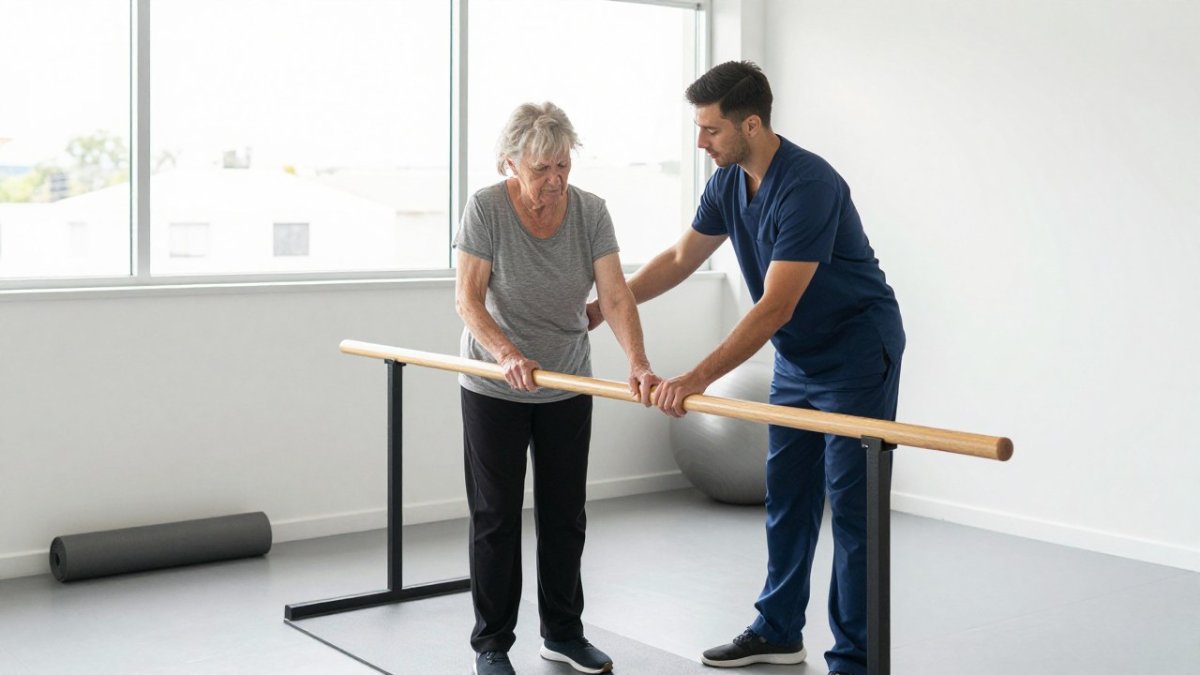
Physiotherapy for Seniors With Arthritis: A Practical Guide
Arthritis · Older Adults
Exercise is the first-line treatment for osteoarthritis — not a last resort when other things fail. That surprises people who have been told to rest a sore joint, but the guidelines are consistent, and the effect on pain and function is comparable to many medications with far fewer downsides.
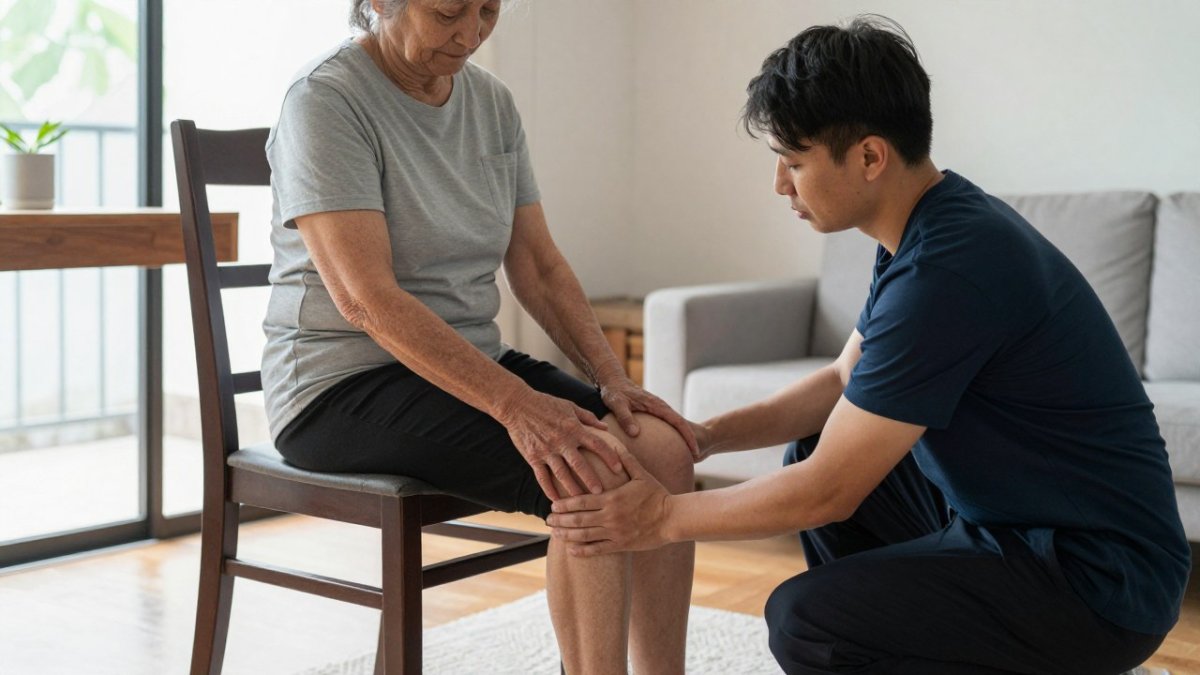
What physiotherapy does for an arthritic joint
It cannot reverse the changes on your X-ray. What it can do is reduce pain and improve what the joint will tolerate — and those two things, not the imaging, determine how you live.
Stronger muscles share the load
Quadriceps and hip strength reduce the force passing through an arthritic knee or hip. This is the single most consistent finding in the research.
Movement nourishes cartilage
Joint cartilage has no blood supply and depends on movement to exchange nutrients. Stillness is worse for it than appropriate load.
Confidence returns
Much of the disability in arthritis comes from avoiding activity, which reduces capacity and increases pain. Reversing that is a large part of the work.
Australian RACGP guidance for knee and hip osteoarthritis places land-based exercise and weight management at the centre of management, with a short course of manual therapy or massage offered conditionally as an adjunct to that active treatment.
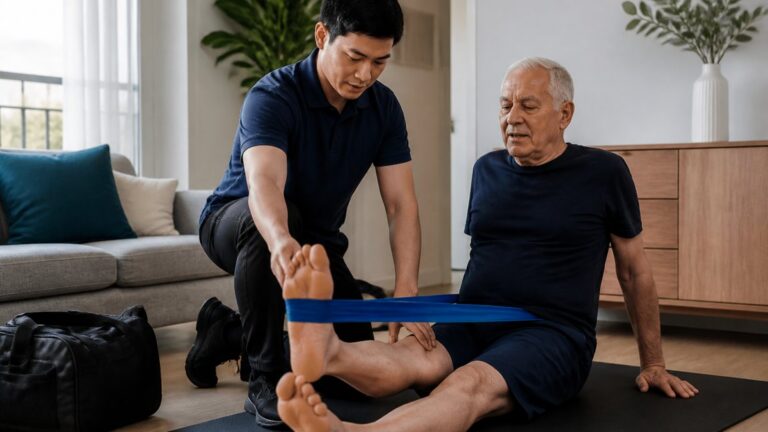
Safe exercise when joints are sore
Managing a flare
Flares are part of osteoarthritis and do not mean the joint is deteriorating faster. The useful response is to reduce rather than stop — shorter sessions, less load, more frequent movement — and return to the previous level once it settles, usually within a few days to a fortnight.
Stopping entirely during flares is the pattern that causes the long slide: each flare takes capacity, and nothing puts it back. Heat, gentle movement, and keeping the joint moving through comfortable range generally help more than complete rest.
Where hands-on treatment fits
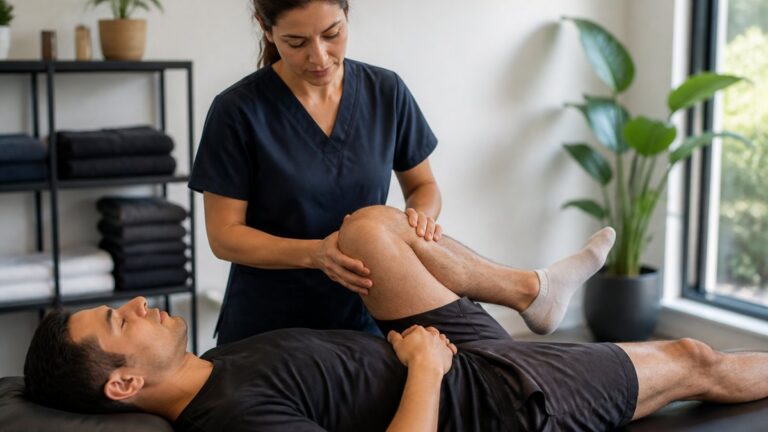
Manual therapy and massage can ease pain and stiffness enough to make exercise achievable, and carry a very low risk of harm. They work best as a short course alongside active treatment rather than as the treatment itself. The evidence detail is in is manual therapy safe for arthritis and for older adults.
Adapting for frailty or multiple conditions
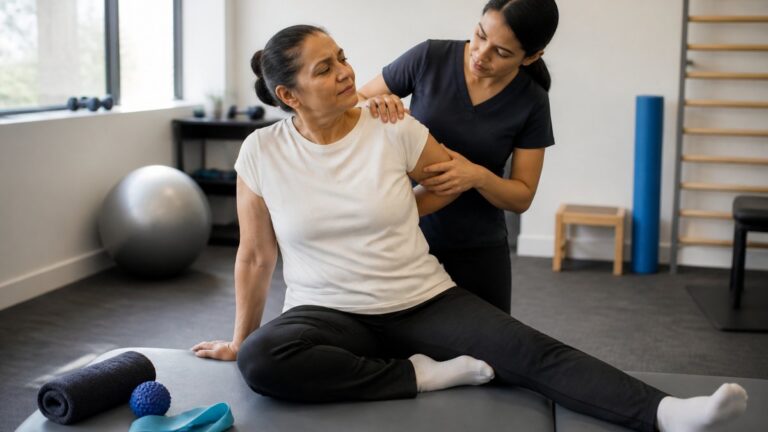
Programs should account for the whole person, not just the joint. Seated starting positions, support within reach, shorter and more frequent sessions, and progressions based on what the week allows rather than a fixed schedule. If balance is also a concern, that needs its own attention — see balance and falls assessment.
Worth raising with your doctor: a joint that is hot, red and swollen, fever alongside joint pain, sudden severe pain or an inability to bear weight, or unexplained weight loss. These are not osteoarthritis flares and need medical assessment.
Measuring whether it is working
Pain scores fluctuate too much to judge progress by. Function is steadier: how many times you can stand from a chair in thirty seconds, how far you walk before stopping, whether you can manage the stairs at your front door. Those are the numbers worth tracking across months.
Getting started
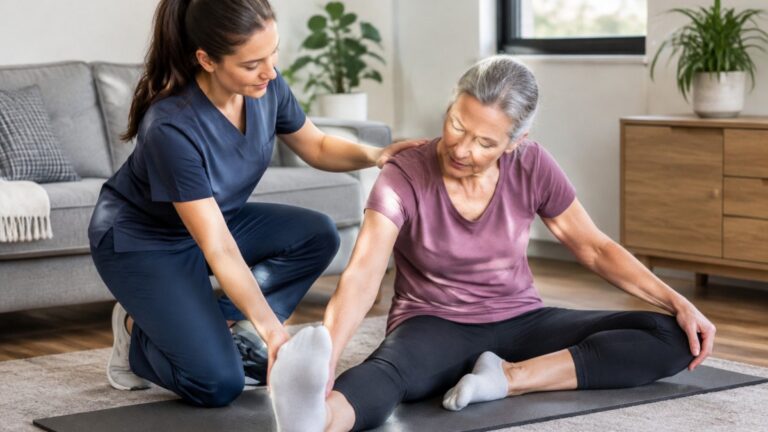
Assessment is available at Homebush and Pendle Hill, or as a home visit, which often suits better when getting out is difficult. For knee pain specifically, see knee pain treatment. If you are weighing home against clinic, this comparison sets out the trade-offs.
Frequently Asked Questions
Can physiotherapy help arthritis in older adults?
Yes. Exercise-based physiotherapy is a first-line treatment for osteoarthritis, improving pain and function. It does not reverse joint changes, but it improves what the joint tolerates, which is what affects daily life.
Will exercise damage an arthritic joint?
Appropriately dosed exercise does not damage the joint, and movement is necessary for cartilage health. The key is starting below the level that flares you and progressing gradually rather than pushing through sharp pain.
What is the best exercise for knee osteoarthritis?
Strength work for the quadriceps and hips, combined with regular low-impact activity such as walking or cycling. Strengthening around the joint has the most consistent evidence behind it.
Should I rest during a flare-up?
Reduce rather than stop. Shorter sessions and less load while keeping the joint moving usually settles a flare faster than complete rest, which costs capacity you then have to rebuild.
How long before exercise helps my arthritis?
Most people notice changes in function within six to twelve weeks of consistent exercise. Benefits continue accumulating with ongoing activity, which is why the program needs to be one you can sustain.
Can I have physiotherapy at home for arthritis?
Yes. Home visits work well for arthritis programs, and the home environment can be assessed at the same time. They are available under NDIS, DVA and privately, and may be covered under a Medicare referral if your GP specifies home-based care.
Book an arthritis assessment
Clinic or home visit across Sydney.