Does Manual Therapy Work for Chronic Pain? A 2026 Guide
Manual Therapy · Chronic Pain
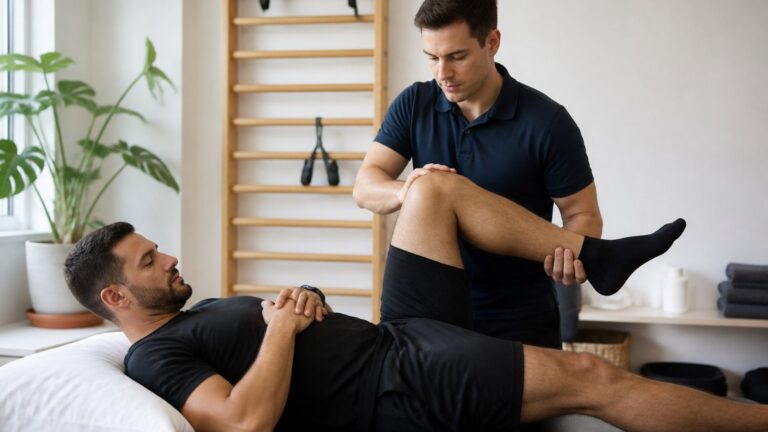
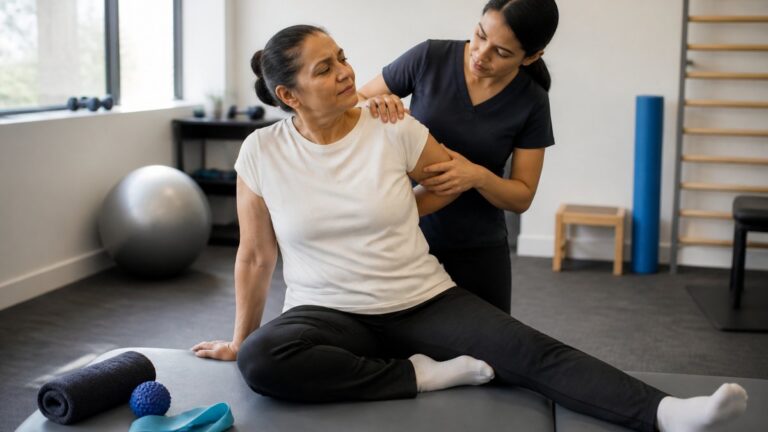
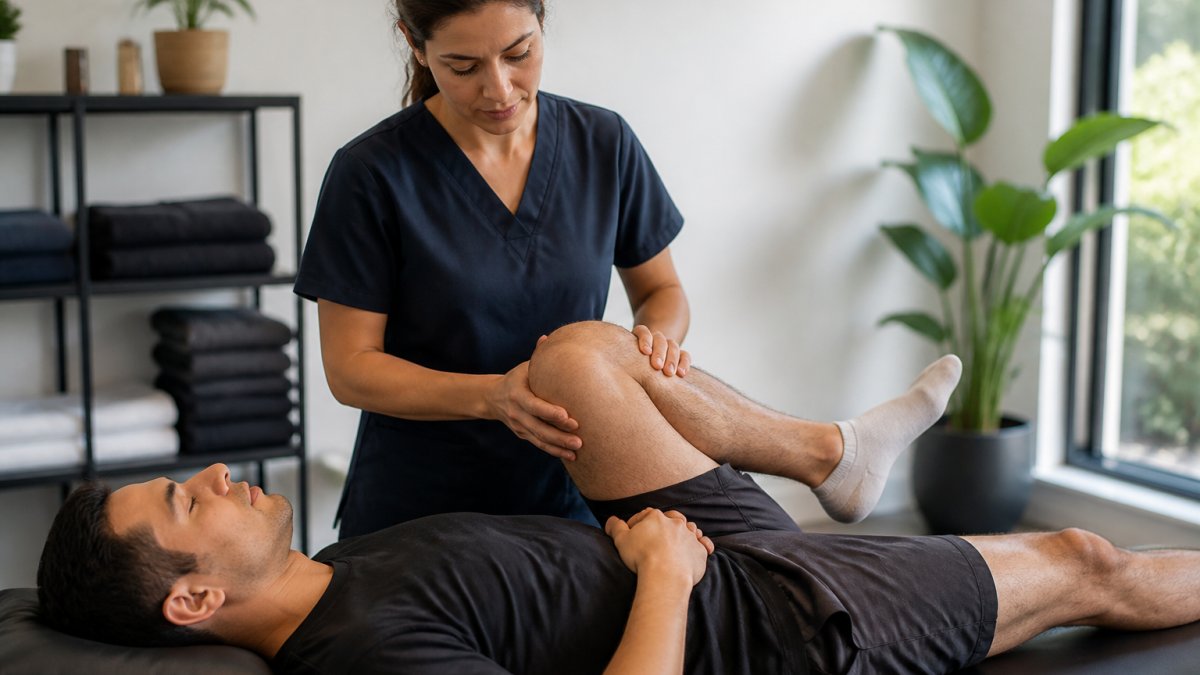
Manual therapy works for chronic pain — modestly, in the short term, and only as part of something larger. That is a less satisfying answer than either side of the argument usually gives, but it is the one the evidence actually supports, and it changes how you should use it.
What the guidelines say
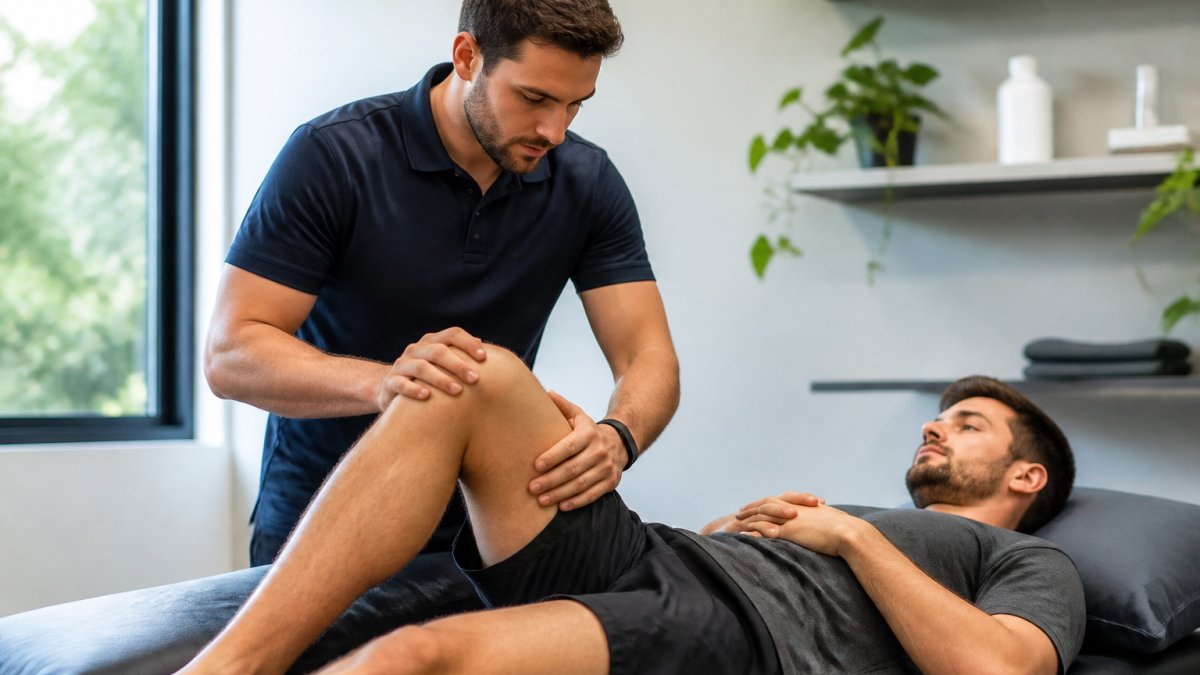
Major clinical guidelines have landed in a similar place. The World Health Organization’s 2023 guideline on chronic low back pain in adults recommends non-surgical care built around education, structured exercise and psychological approaches, with some manual therapies among the options that may be offered.
For knee and hip osteoarthritis, Australian RACGP guidance gives a conditional recommendation in favour of a short course of manual therapy or massage, roughly eight to twelve weeks, specifically as an adjunct to active treatment, noting a very low risk of harm.
The common thread is the word adjunct. No current guideline recommends hands-on treatment as a standalone management plan for persistent pain.
What it does and does not do
| Claim | What the evidence supports |
|---|---|
| Reduces pain short-term | Reasonably well supported, with effects measured in days to weeks |
| Improves movement and function | Supported, particularly when paired with exercise |
| Makes exercise more tolerable | Clinically consistent and the main practical reason to use it |
| Realigns joints or bones | Not supported |
| Breaks down scar tissue or adhesions | Not supported |
| Produces lasting change on its own | Not supported |
Why short-term relief still matters
If the effect fades in days, it is fair to ask what the point is. The answer is what you do with the window. Persistent pain tends to shrink what a person is willing to move, which reduces capacity, which makes the next flare more likely. That loop is the real target.
Hands-on treatment reliably makes movement feel more available for a period. Used deliberately, that period is when graded loading becomes possible — and loading is what produces durable change. Used without it, you get a pleasant hour and the same problem next week.
How we use it
If the hands-on portion of your treatment is not shrinking over time, that is worth raising with whoever is treating you. Ongoing passive treatment with no exit plan is the pattern guidelines warn about.
When hands-on treatment is not the answer
Chronic pain is not always a movement problem. Pain that wakes you consistently overnight, unexplained weight loss, fever, or new neurological symptoms such as numbness, weakness or changes in bladder or bowel function need medical assessment first. Persistent pain is also strongly affected by sleep, stress and mood, and those sometimes need addressing before any hands-on approach will hold.
Chronic means twelve weeks or more. Pain lasting that long is a different problem from a fresh injury and responds to a different plan — not simply more of the same treatment.
Where to go next
For a broader plan, read managing chronic pain long term or, for backs specifically, chronic back pain. Questions about safety in particular groups are covered in arthritis and older adults. Assessment is available at Homebush and Pendle Hill.
Frequently Asked Questions
Does manual therapy work for chronic pain?
It produces modest short-term reductions in pain and improvements in movement, and guidelines support it as an adjunct to active treatment rather than as a standalone plan. The lasting change comes from the exercise it makes possible.
How long does the relief last?
Typically days to a couple of weeks. That window is the useful part — it is when graded loading becomes achievable, which is what produces change that holds.
Can manual therapy break down scar tissue?
No. Hands-on pressure does not mechanically break down scar tissue or adhesions. The improvement people feel afterwards comes from reduced pain sensitivity and better movement tolerance.
How many sessions should I expect?
For osteoarthritis, guidance describes a short course of roughly eight to twelve weeks alongside active treatment. For other persistent pain it varies, but the hands-on component should reduce over time rather than continue indefinitely.
Is it safe?
Manual therapy carries a very low risk of harm when applied appropriately, which is one reason guidelines are comfortable offering it as an adjunct. Technique and pressure are adjusted for the individual.
Should I have manual therapy instead of exercise?
No. Where the two have been compared, exercise carries the durable benefit. Hands-on treatment is best used to make that exercise possible, not to replace it.
Book an assessment
Homebush, Pendle Hill, or a home visit across Sydney.